"Aluminium and glass company" is the most-used sign on any UAE industrial street — and one of the least informative. Behind the same words you will find genuine fabricators with workshops and coating lines, installation-only crews fitting systems made elsewhere, and trading offices reselling catalogue products. All three can be legitimate; only one owns the result end to end. This checklist shows you which is which before you sign, using the tests we would apply to ourselves — Al Taher Group has run its own aluminium, glass and metal workshop in Fujairah since 1984.
Key takeaways
- Fabricator, installer and trader are three different businesses behind one label — identify which you are hiring.
- The workshop visit is the single most revealing test; the powder-coating question is the fastest.
- Quality shows at corners, gaskets, edges and hardware — not in the showroom photo.
- One company for aluminium AND glass means one name accountable for the finished opening.
- An itemised quotation is the paper trail of a real fabricator.
The three businesses behind one label
A fabricator cuts profiles, welds or crimps frames, glazes, finishes and installs — the full chain. An installer fits systems fabricated by someone else; workmanship can be excellent, but specification and lead time sit with a supplier you never meet. A trader sells finished catalogue products and arranges fitting. Prices fall in roughly that order — and so does accountability when something leaks, sticks or corrodes two summers later.
Five questions that reveal which one you're talking to
1. "Can I visit the workshop?" The only question a middleman cannot survive. A real aluminium and glass work operation will show you the saws, the welding bays and stock lengths of profile.
2. "Where does your powder coating happen?" Finishing is the most-outsourced step and the most common failure point in coastal air. In-house coating is a strong signal; a vague answer is a red flag. Why the finish decides lifespan →
3. "Who measures, and who installs?" You want the same firm measuring, fabricating and installing — split responsibility is where leaks and blame come from.
4. "What glass will you use, exactly?" Thickness, toughened or laminated, Low-E or clear — a fabricator answers in specifications; a trader answers in brand names. The full villa window spec →
5. "Can I see an itemised quotation?" Line-by-line pricing of profiles, glass, hardware and installation is how a workshop thinks. A single lump figure is how a reseller hides margin.
What quality aluminium and glass work looks like up close
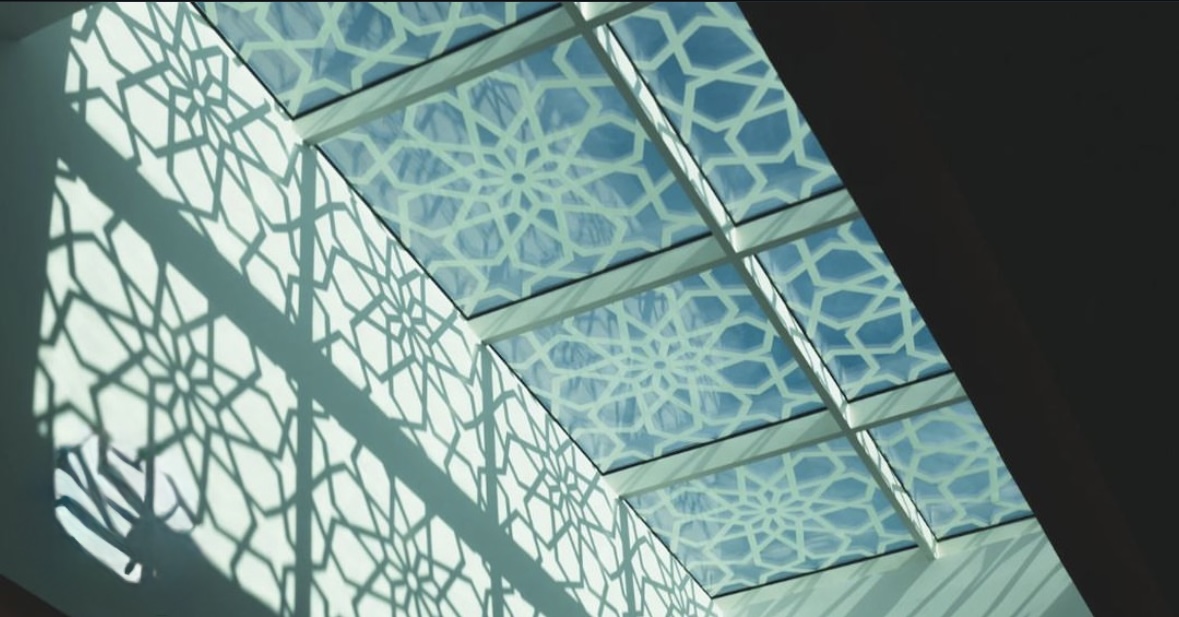
Ignore the showroom lighting and look at the details: corners (mitres meeting flush, no filler), gaskets (continuous, seated, no gaps where sections meet), hardware (smooth operation under the sash's real weight, multi-point locking that engages without lifting the handle), edges and drill points (coating coverage where cheap work always misses), and markings (safety-glass stamps where showers, doors and balustrades require them). Ten minutes examining a completed project tells you more than any brochure. For what the systems themselves should be, see our guides to aluminium door systems and glass works specification.
Why one company for both trades beats two specialists
Glass installation is only as good as the frame it lands in, and a frame is only proven when its glass goes in square and sealed. When one workshop does both — as the better UAE firms do — tolerances agree, hardware suits the glazed weight, and there is one name on the warranty. When a frame supplier and a glazier split the job, the gap between them is where water finds its way in. The same logic extends further: on projects mixing metal, glass and joinery, a group running those trades under one roof removes the coordination risk entirely — the model we run across our own services.
Location matters more than it seems
A company's distance from your site decides how site measurement, installation scheduling and aftersales actually behave. A fabricator an hour and a half away can do excellent work — but a re-measure, a seized hinge or a snagging visit becomes a scheduling negotiation. If you are on the East Coast, our Fujairah aluminium and glass page covers what we do locally; for the wider region, our Fujairah and Sharjah pages set out where our 600+ completed projects sit.
Apply the checklist to us — book a free site visit within 48 hours and get an itemised quote within 24 hours of it.
Frequently Asked Questions
What does an aluminium and glass company actually do?
The full-scope version measures, fabricates, glazes, finishes and installs — windows, doors, partitions, shower enclosures, shopfronts and curtain walls. Many firms using the name only install systems fabricated elsewhere, or trade finished products. Neither is wrong, but you should know which you are hiring, because accountability follows fabrication.
How do I tell a real fabricator from a middleman?
Ask to visit the workshop. A fabricator can show you profiles being cut, welding bays and a finishing line; a middleman shows you a catalogue. Asking where powder coating happens is the fastest single test — outsourced coating is where quality control usually leaves the building.
What does quality aluminium and glass work look like up close?
Tight, consistent gaskets with no gaps at corners; mitred joints that meet flush; hardware that operates smoothly under the weight of the sash; safety glass markings where regulations require them; and a coating with even coverage on edges and drill points — the places cheap work always misses.
Should the same company do the aluminium and the glass?
Ideally yes. Split responsibility between a frame supplier and a glazier is where leaks, rattles and blame games come from. One firm measuring, fabricating and glazing means one name accountable for the finished opening.
Does a door manufacturer differ from an aluminium company?
A door manufacturer builds the leaf and frame as a product; an aluminium and glass company builds openings as systems — doors, windows and glazing engineered together. For a whole villa or fit-out, the systems approach avoids mismatched finishes and hardware.